Key takeaways
- ADS-TEC boss Thomas Speidel sees batteries as the key to the next phase. In his words: "a solution you can no longer imagine doing without".
- The company says it has delivered more than 3,700 battery-buffered charging points, active in Canada, America and Europe.
- Grid expansion alone is not enough for Speidel: not every local peak load can be solved with new cables.
- He sees fleets as the main growth driver, in the end, what matters is cost-effectiveness, not just the CO2 balance.
What does Speidel say about the next phase of charging technology?
In Thomas Speidel's view, batteries are becoming essential. The ADS-TEC Energy boss said this in a video interview at the Power2Drive trade fair (according to electrive, 14.07.2026). electrive editor-in-chief Peter Schwierz interviewed him.
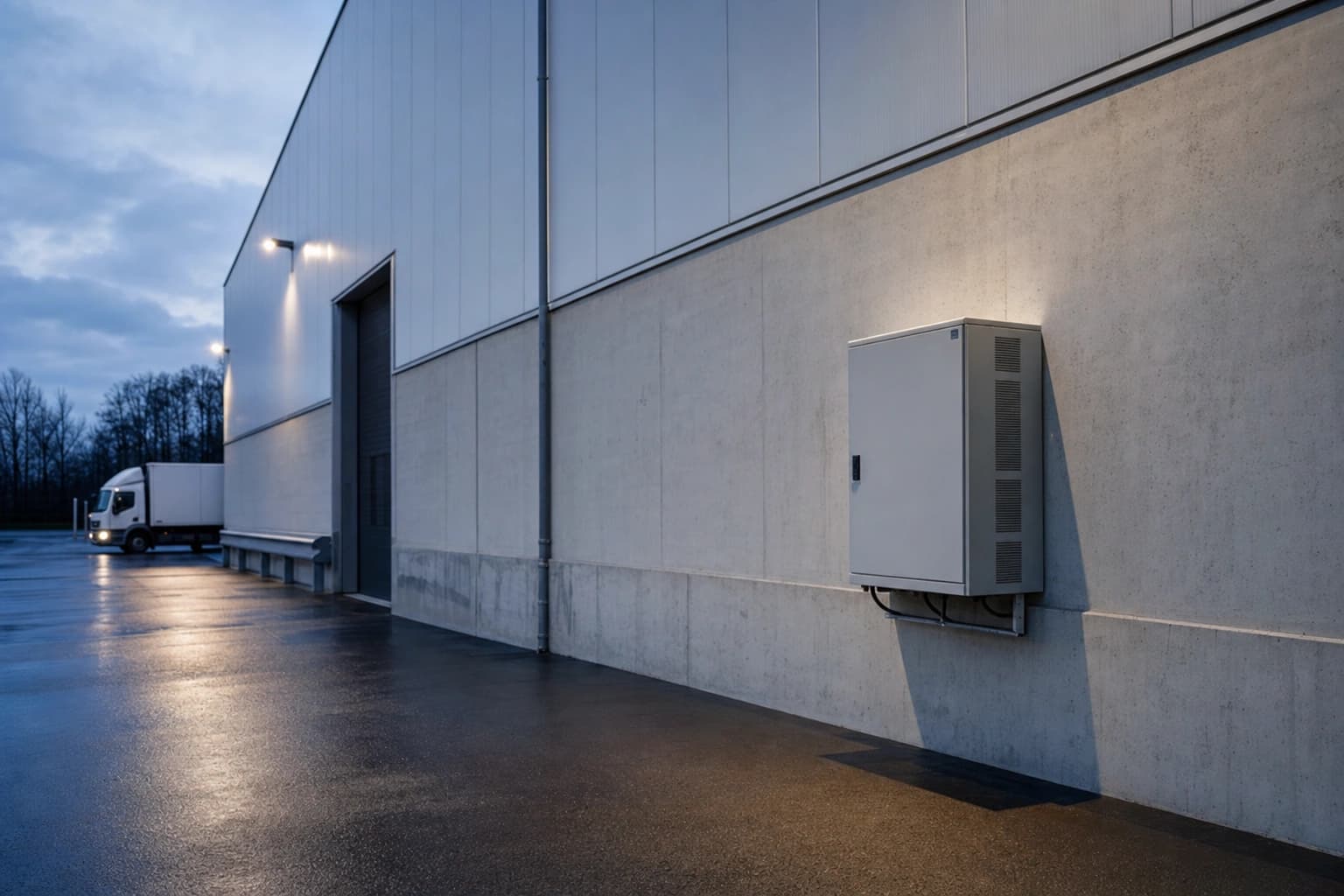
For Speidel, a battery-buffered charging point is more than a charging station. It is part of sector coupling, linking power, heat and transport. Storage, charging power, photovoltaics (solar power) and digital control all work together. Such systems can show adverts. They buy power when it is cheap on the power exchange. They use solar power from the site.
How many charging points does ADS-TEC Energy already have in use?
Speidel speaks of a little over 3,700 delivered charging points. All have a battery buffer. The company says it is active in Canada, America and Europe (according to electrive).
Why is grid expansion not enough for Speidel?
Speidel explains the logic clearly. Grid expansion is still needed. But not every local peak load can be solved with new cables. This is exactly where battery-buffered systems come in.
„"I cannot expand the grid everywhere. It does not make sense."“
— Thomas Speidel, CEO ADS-TEC Energy, im Video-Interview mit electrive (14.07.2026)
Where are the systems already in place today?
According to Speidel, charging infrastructure is increasingly being built where vehicles already park. He mentions the police in Baden-Württemberg. He mentions charging points at Penny and Rewe sites. So the charging station comes to the user. EV drivers no longer drive to a separate station (according to electrive).
Why does Speidel see fleets as the driver?
Speidel sees fleets as the driver of the coming years. His argument goes beyond CO2. Even without a climate balance, the switch pays off economically. The electric motor uses energy very well. Regenerative braking, recovering energy when braking, saves energy. Local solar power is getting cheaper. Battery storage adds to this. For fleet operators, every kilometre counts in the end (according to electrive).
Which companies are already fully electric?
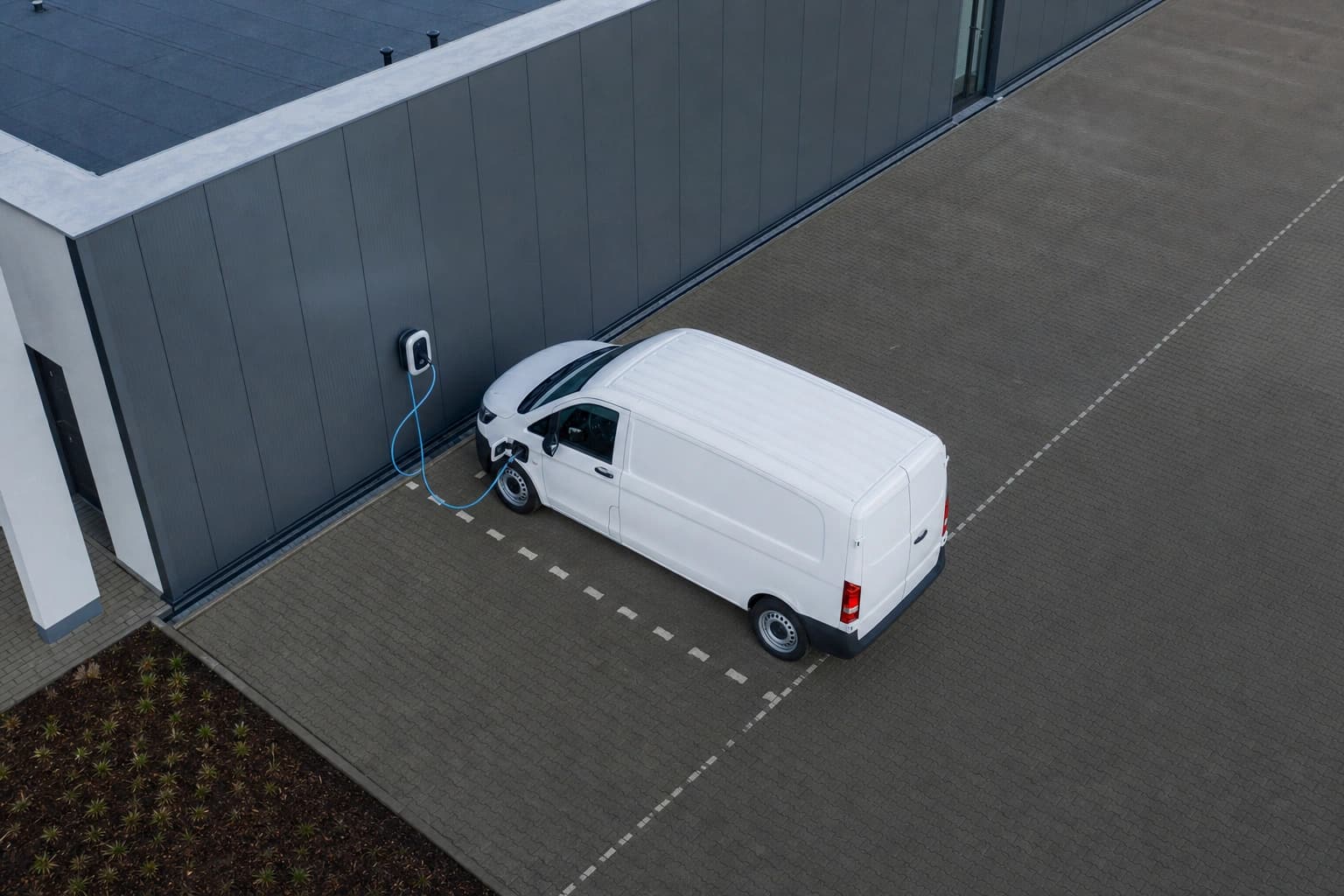
Speidel gives concrete examples from the company car sector. SAP, Commerzbank and Zeppelin have switched their company cars to fully electric vehicles. There are no more hybrids either. He sees the trend most clearly in logistics, especially on the last mile (the final step of the supply chain to the customer). Electric Sprinter vans with 800-volt technology show the direction (according to electrive).
What does this mean for commercial operators?
Anyone switching a fleet to electric often hits limits at the grid connection. The connected load is not enough for many fast chargers at once. Battery buffers can shift this limit. They absorb peak loads. They recharge slowly and deliver power quickly to the vehicles. This allows more vehicles to be served on a smaller connection.
Planning tip for businesses
Before electrifying a fleet, load management, actively controlling the charging power, and grid connection capacity should be checked together. A battery-buffered charging point can absorb peak loads. This lets more vehicles fit on a smaller connection, if control and tariff are right.
Frequently asked questions
- What is a battery-buffered charging point?
- A charging point with a built-in battery. The battery recharges slowly from the grid and delivers power quickly to the car. This way, a smaller grid connection is enough.
- Why is grid expansion alone often not enough?
- Not every local peak load can be sensibly solved with new cables. On-site storage can absorb these peaks and ease the load on existing infrastructure.
- Where is ADS-TEC Energy active today?
- According to CEO Thomas Speidel, over 3,700 battery-buffered charging points are in use in Canada, America and Europe.
- Who benefits most from battery-buffered charging points?
- Fleets, hauliers, logistics firms and any business with a limited grid connection or many vehicles charging at once.