Key takeaways
- i-charging has received calibration-law certification for its e-flow charging solution.
- User unit and dispenser are physically separated.
- According to the manufacturer, each dispenser can deliver up to 800 amps of charging current.
- According to i-charging, the solution is mainly designed for trucks, fleets, and depots.
- According to the company, the system also meets the requirements of the EU AFIR regulation.
What is i-charging's e-flow solution?
i-charging is a Portuguese manufacturer of charging infrastructure. The company has received calibration-law certification for its e-flow charging system, as electrive.net reported on 14 July 2026. The special feature: the user unit and dispenser are physically separated.
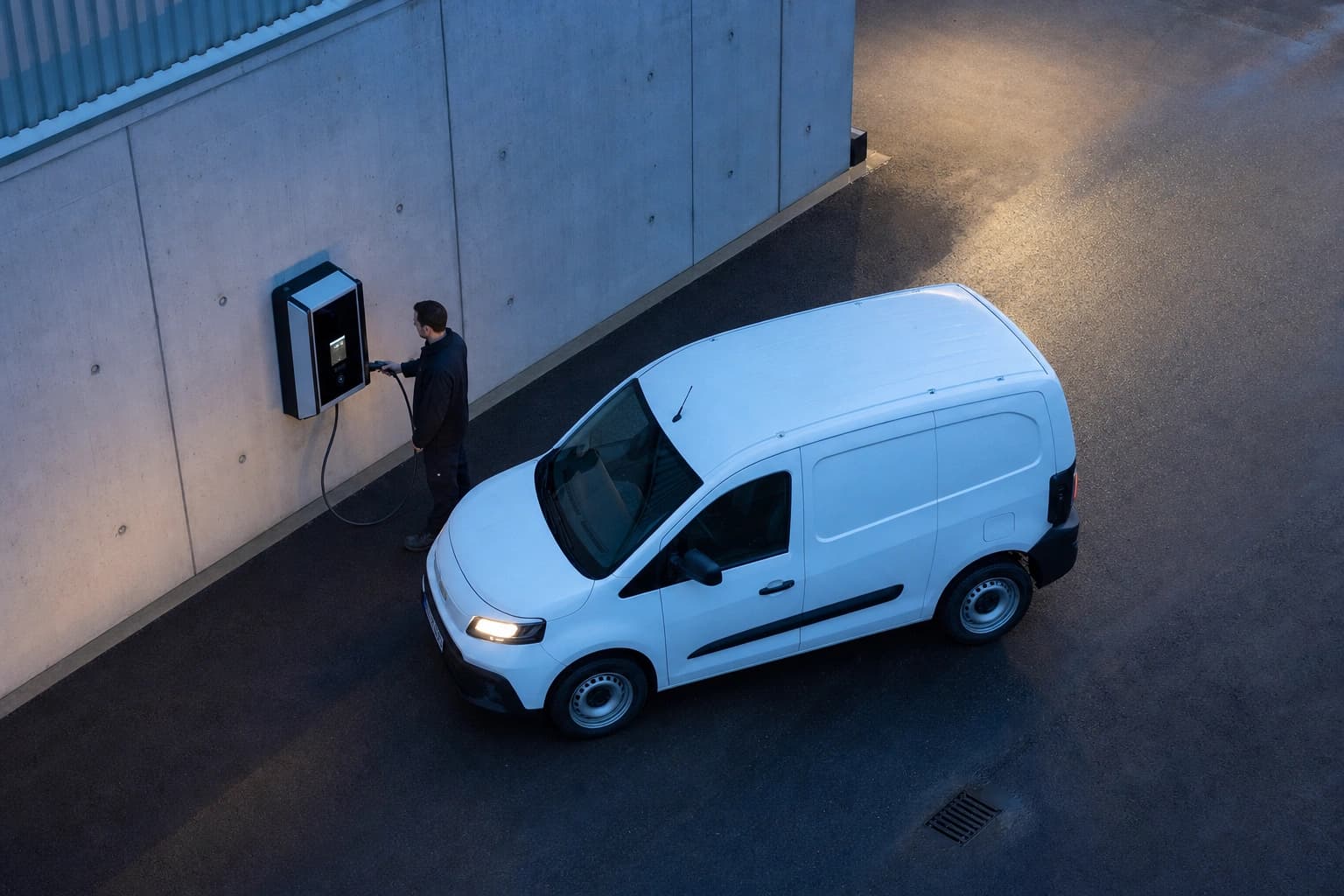
Display, authentication, and payment are combined in the central user unit. The dispensers themselves can be installed independently at the appropriate charging points. This makes charging infrastructure planning more flexible, for example at sites with little space near the vehicle.
How does the separation of user unit and dispenser work?
The e-flow solution combines a central user unit with multiple dispensers. According to i-charging, each dispenser can deliver up to 800 amps of charging current. That is significantly more than at a standard car fast-charging station.
- User unit: combines display, authentication, and payment in one central place.
- Dispenser: delivers the charging power, but can be installed separately.
- Calibration-law-relevant data: is recorded in the user unit and displayed in a way the customer can verify.
What use cases is e-flow suited for?
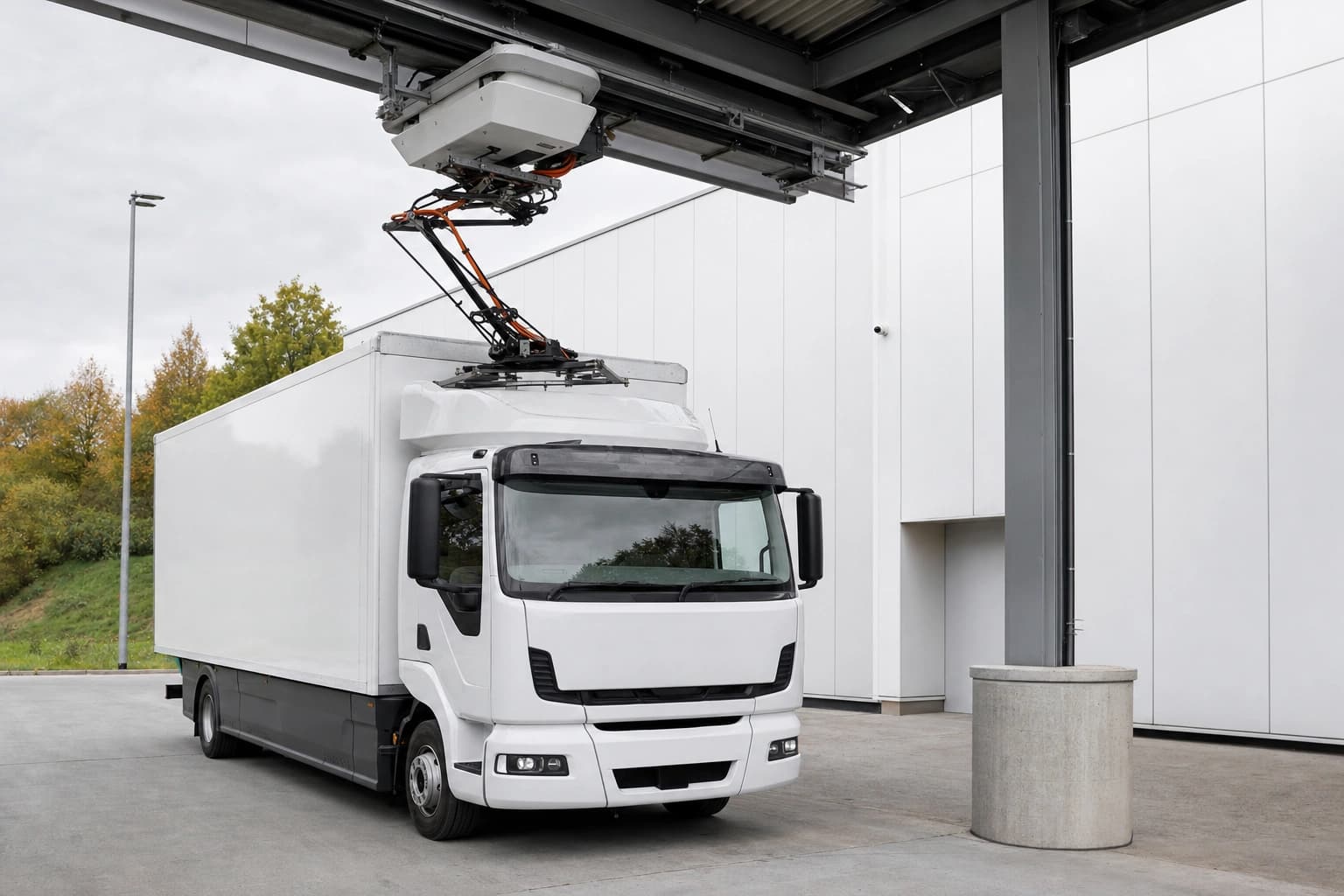
According to the company, the concept is mainly suited to places where direct access to the dispenser is restricted. According to electrive.net, these include:
- Overhead charging systems, for example for truck tops
- Gantry constructions on logistics areas
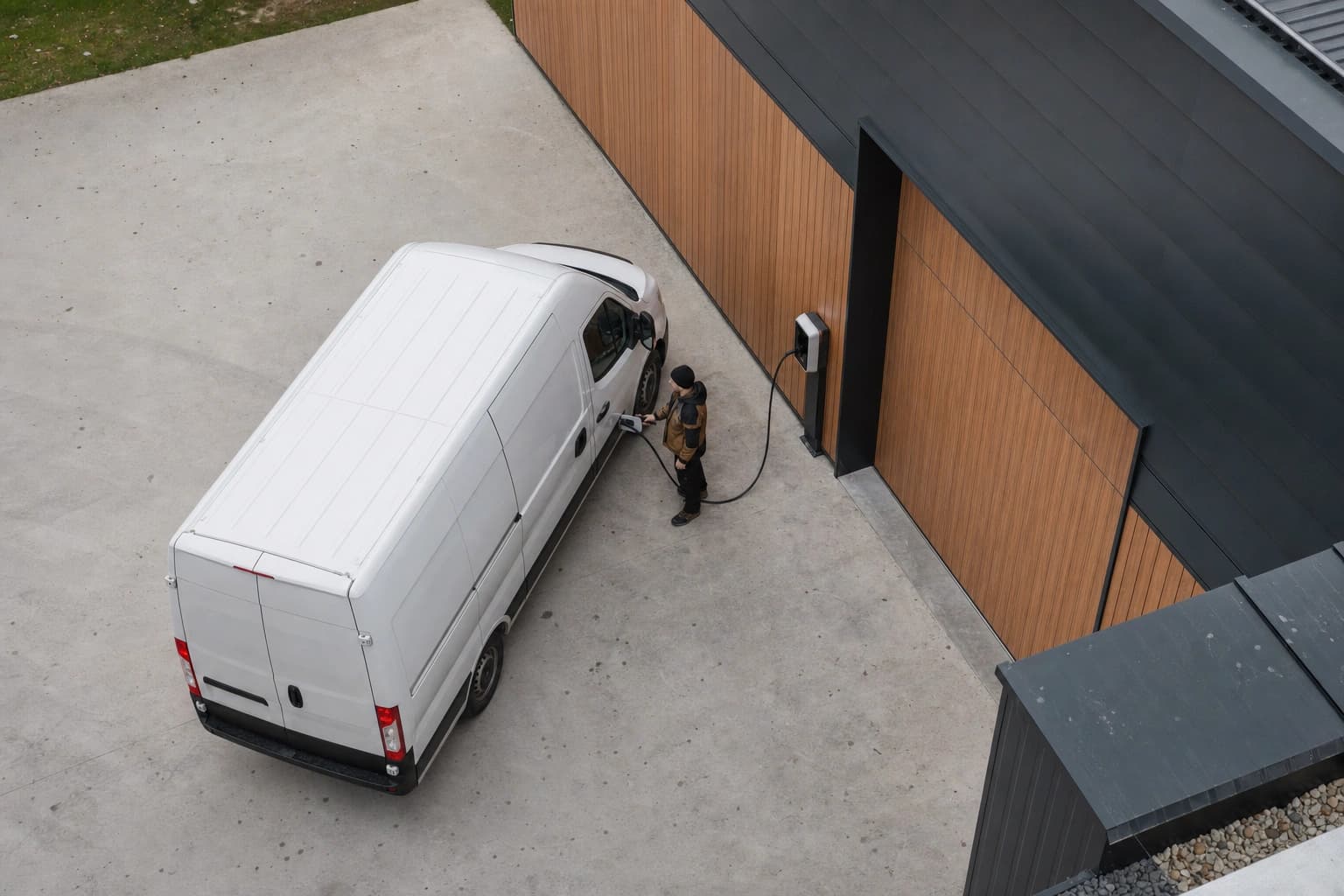
- Charging infrastructure for fleets and commercial vehicles in depots
The physical separation gives operators more freedom when planning charging parks. Power electronics and charging points can be installed separately for space or safety reasons.
What does calibration-law certification mean for operators?
German measurement and calibration law requires that the energy delivered and the resulting costs are recorded precisely and displayed in a way customers can verify. Anyone operating chargeable charging points in Germany needs the relevant certification.
Only applies in Germany, but sets a precedent
According to electrive.net, the calibration-law requirements apply exclusively in Germany. However, they also serve as a reference in other European markets for transparent and legally compliant charging billing. According to i-charging, e-flow also meets the requirements of the European AFIR regulation.
How does e-flow fit into i-charging's portfolio?
The e-flow certification complements the manufacturer's fast-charging portfolio. Just a few weeks ago, the company introduced the HPC system "AiO 500" with up to 500 kW, designed for motorway sites and heavy-duty traffic. There is also the modular split-unit solution "MAX" with up to 1.6 MW of power.
With the now-certified separation of user unit and dispenser, i-charging is expanding its offering for sites where power electronics and charging points need to be physically separated.
Frequently asked questions
- Does calibration-law certification only apply in Germany?
- Yes. According to electrive.net, the requirements apply exclusively in Germany. However, they serve as a reference in other European markets for transparent and legally compliant charging billing.
- What makes e-flow different from a standard charging station?
- With e-flow, the user unit and dispenser are physically separated. Display, authentication, and payment are combined in the user unit. The dispensers are installed separately at the charging points.
- What output does a single dispenser offer?
- According to i-charging, each dispenser can deliver up to 800 amps of charging current. This makes the system particularly suitable for high-power applications with trucks and fleets.
- Is e-flow also intended for standard car charging?
- According to electrive.net, the manufacturer sees the solution primarily for trucks, fleets, and depot applications, such as overhead or gantry constructions. The concept is secondary for classic car charging stations.