Key takeaways
- The federal cabinet approved the EmoG amendment on 29 July 2026. The law will therefore remain in force until the end of 2035.
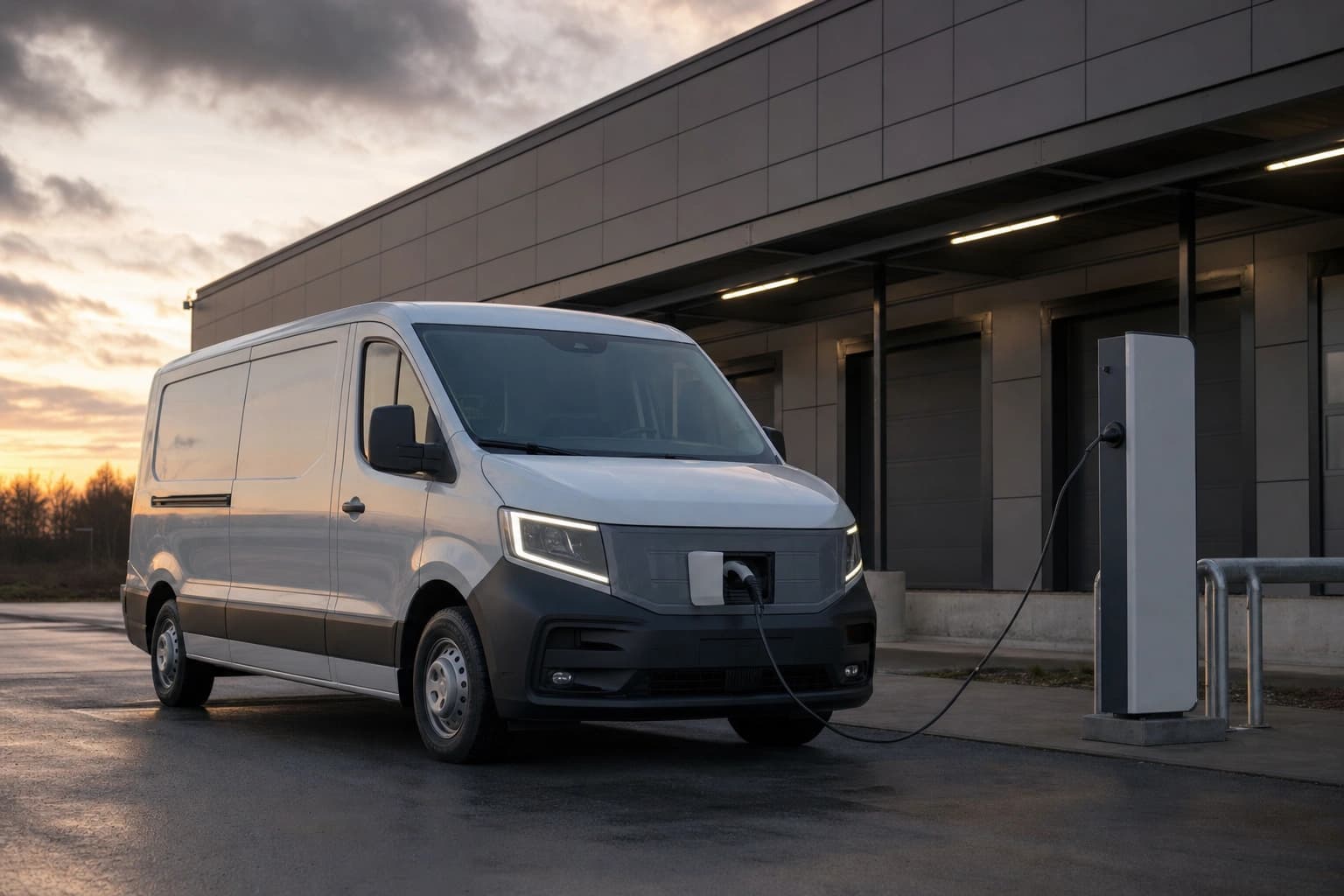
- For the first time, e-buses and medium and heavy e-trucks are also covered by the law. Until now, the rules mainly applied to e-cars and vans.
- Municipalities may in future waive resident parking fees for e-vehicles. Special parking and access rights also remain possible.
- Parking at public charge points will also be permitted without an e-plate in future. The rule is to be enshrined permanently in law.
- For plug-in hybrids, a minimum electric range of 80 km or a maximum of 50 g CO2/km will apply in future. Previously, the minimum range was 40 km.
- The Bundestag and Bundesrat must still approve the amendment. It is therefore not yet in force.
What did the cabinet decide?
On 29 July 2026, the federal cabinet approved the draft. It amends the Electric Mobility Act (EmoG for short). The law is extended by about ten years until the end of 2035. According to electrive.net, the amendment is part of the federal government's Master Plan for Charging Infrastructure 2030.
The EmoG has allowed cities and municipalities to promote e-vehicles in road traffic since 2015. The legal framework is now to be adapted to current developments.
Note
The cabinet decision is not yet the law. The new rules only come into force once the Bundestag and Bundesrat approve the amendment.
Which vehicles benefit now?
Until now, the EmoG mainly applied to e-cars and light commercial vehicles such as vans. This changes with the amendment. As reported by electrive.net, the following vehicles are also to be covered in future:
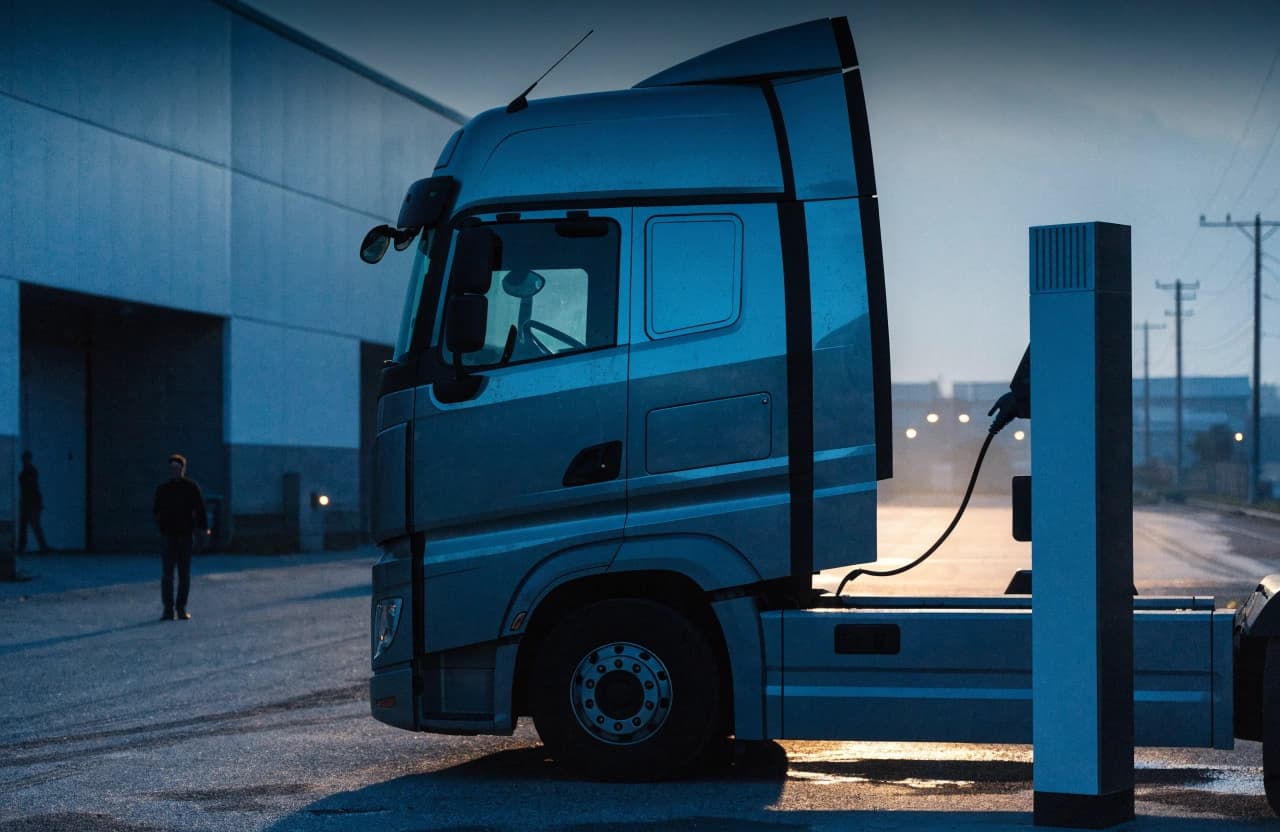
- Electric buses in local public transport
- Medium electric trucks
- Heavy electric trucks
Municipalities can therefore grant preferential treatment to larger electric commercial vehicles for the first time. This is of particular interest to logistics, retail and care services with their own fleets.
What rights can cities grant?
The existing options for municipalities remain. They can therefore continue to grant special parking rights and access rights for e-vehicles. A new lever is also being added.
- Special parking rights for e-vehicles
- Access rights to restricted zones
- Waiving resident parking fees for e-vehicles (new)
Whether a city actually grants these rights remains its decision. According to electrive.net, it is the legal clarity alone that advances electric mobility.
What changes for parking at charge points?
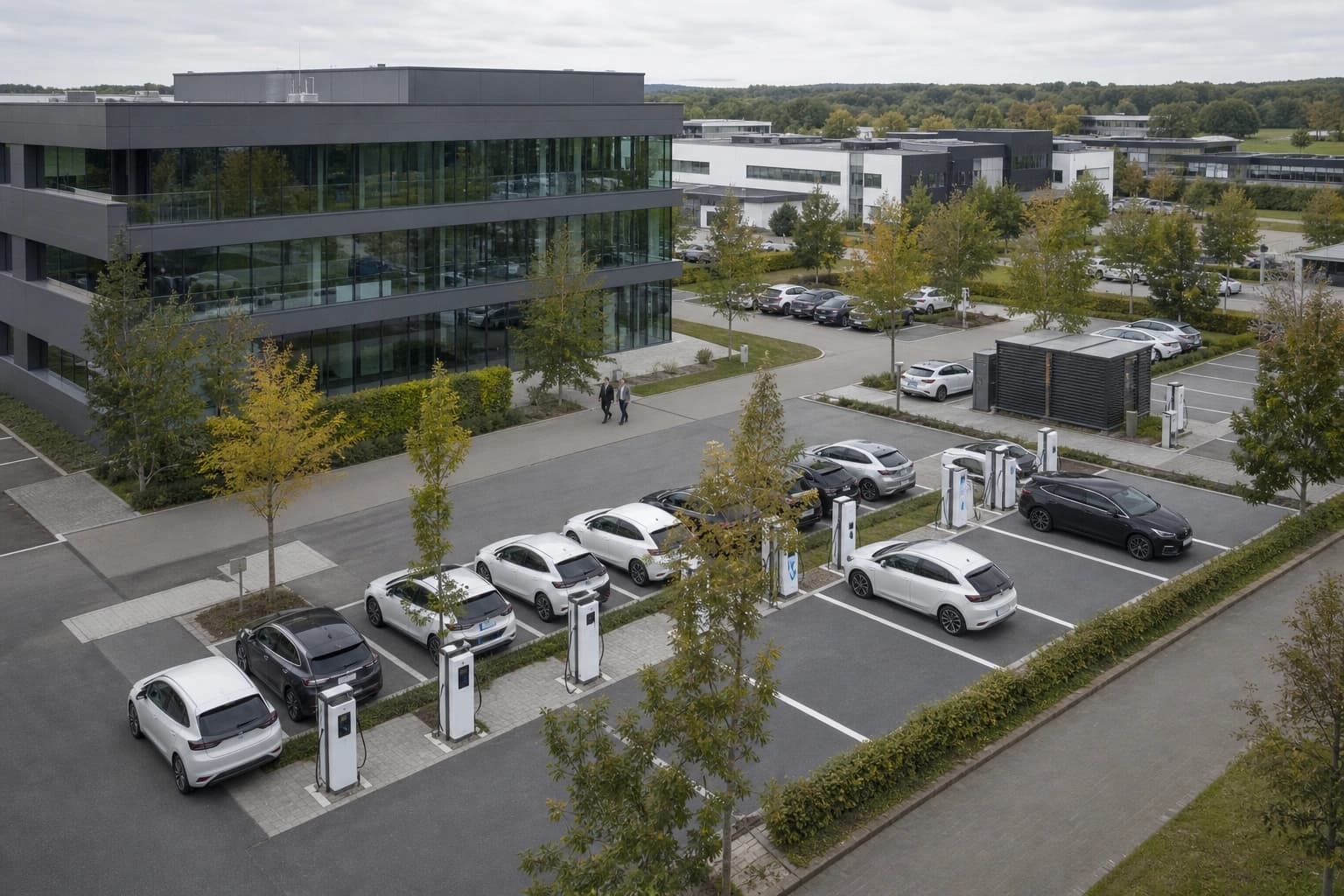
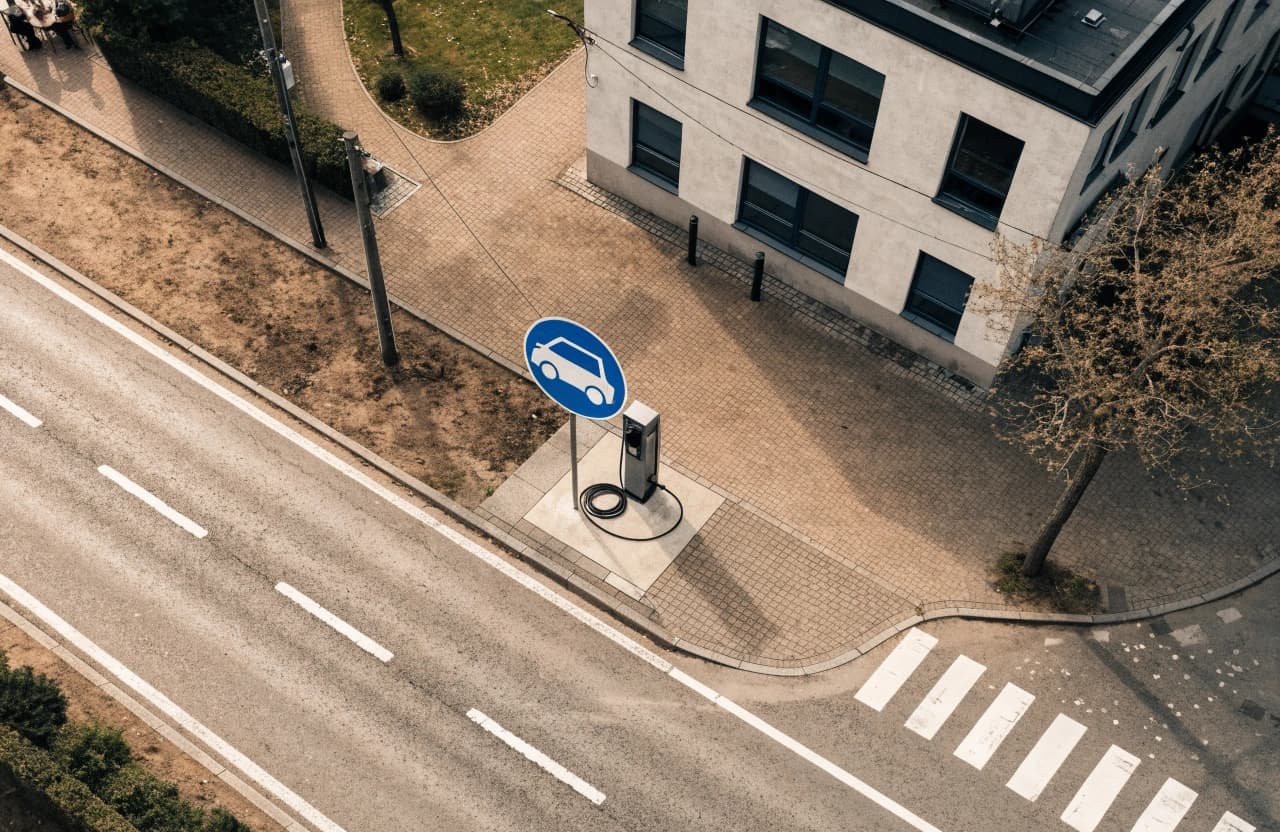
Anyone charging at a publicly accessible charge point in future may also park there without an e-plate. The e-plate is voluntary in Germany. It has often been required for using charge bays up to now.
The new rule is to be enshrined permanently in law. According to electrive.net, the Federal Ministry of Transport says this creates more clarity. It also makes uniform signage easier. And it helps cross-border traffic.
For fleet operators
Company cars with foreign plates can also park at public charge points more easily. The requirement remains: an actual charging process must take place.
What applies to plug-in hybrids in future?
The conditions for plug-in hybrids (PHEV) are being aligned with the rules for company car taxation in force since 2025. Stricter minimum values will therefore apply in future.
| Feature | Previous | Future |
|---|---|---|
| Maximum CO2 emissions | no fixed value | 50 g CO2/km |
| Minimum electric range | 40 km | 80 km |
| Source | EmoG old | Company car taxation from 2025 |
A PHEV will therefore only benefit from EmoG advantages in future if it meets one of these two requirements. Anyone with many older plug-in hybrids with small batteries in their fleet should keep this in mind.
What do politicians say?
„"We are extending the tried-and-tested preferential treatment. We are making charging in public spaces easier. And we are opening up the law to electric buses and heavy e-trucks."“
— Ulrich Lange, Parlamentarischer Staatssekretär beim Bundesminister für Verkehr, zitiert nach electrive.net
What happens next?
After the cabinet decision, the federal government is next in line. The Bundestag and Bundesrat must then debate and approve the draft. Only then can the amended EmoG enter into force.
For fleet operators, this means the new privileges for e-trucks and e-buses are in sight, but not yet certain. Anyone now planning their fleet electrification should see the amendment as a strong signal. They should also keep an eye on the further legislative process.

Frequently asked questions
- Until when does the new Electric Mobility Act apply?
- The draft provides for an extension until the end of 2035. This requires the approval of the Bundestag and Bundesrat.
- Does the EmoG now also apply to heavy e-trucks?
- Yes. In future, medium and heavy electric trucks as well as electric buses are also to be covered. Until now, the rules mainly applied to e-cars and light vans.
- Do I need an e-plate to park at public charge points?
- Not under the draft. You can also park at publicly accessible charge points without an e-plate while charging.
- Which plug-in hybrids still benefit from EmoG advantages?
- In future, PHEVs must emit a maximum of 50 g CO2/km. They must also achieve at least 80 km of pure electric range. The old threshold of 40 km will no longer be sufficient.
- Do municipalities have to apply the new privileges?
- No. Whether a city waives resident parking fees for e-vehicles or grants special rights remains its decision. The EmoG only creates the option.