Key takeaways
- Techem and Compleo Charging Solutions work together on AC charging for offices and commercial buildings.
- Techem provides energy and billing management. Compleo delivers the charging stations.
- Thanks to load management and daisy-chain cabling, the system grows step by step.
- The reason is the new Building Electromobility Infrastructure Act (GEIG). The Bundestag and Bundesrat recently passed it.

What are Techem and Compleo actually planning?
Answer: They bundle a complete package of AC charging stations and energy and billing management for property operators.
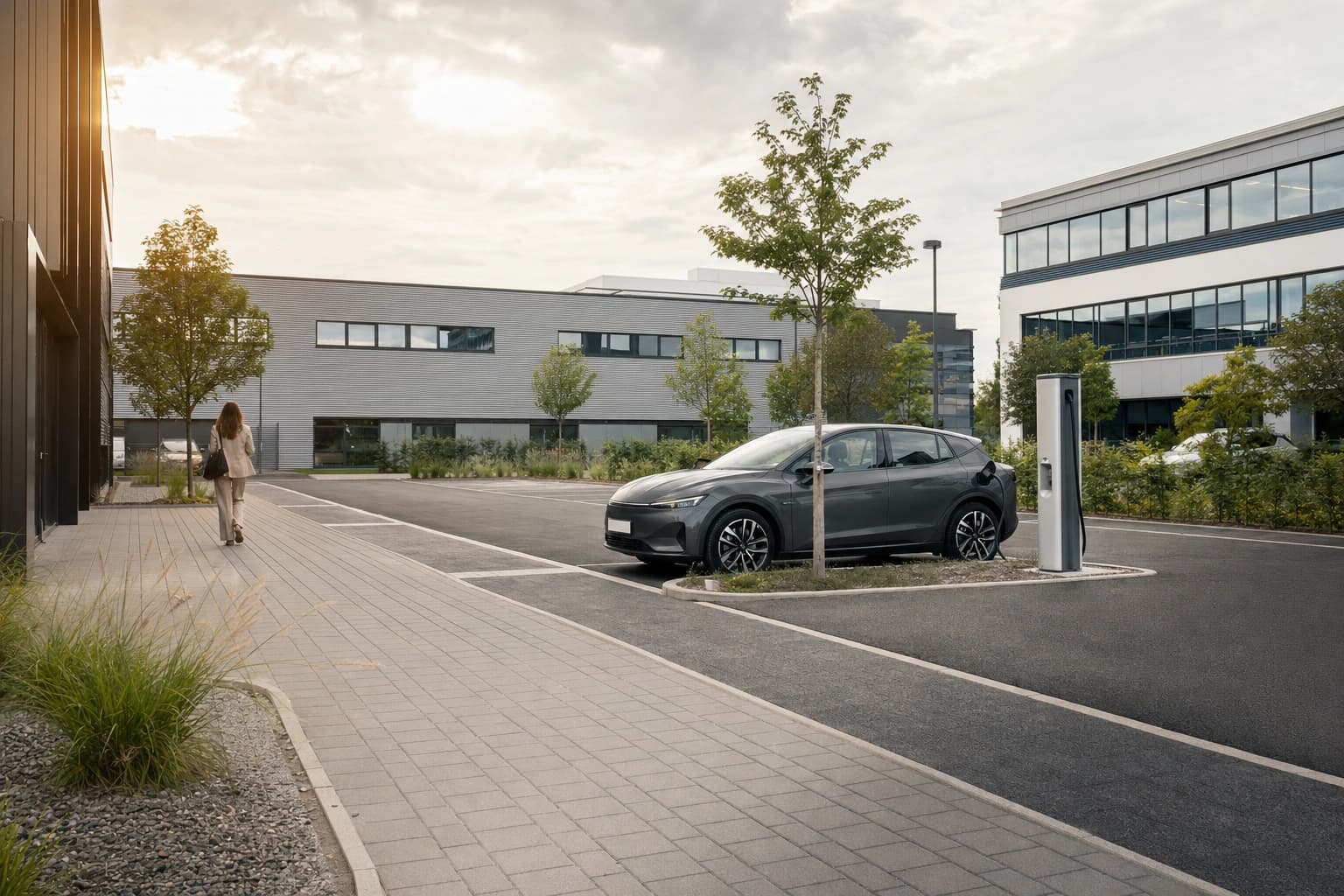
According to electrive.net, the partnership targets operators of office and commercial buildings. The partners plan services for design, installation and operation. The focus is on charging points for car parks. These can grow as demand increases.
Who contributes what to the partnership?
Answer: Techem provides the energy and billing management, Compleo provides the AC hardware.
Compleo supplies the AC charging stations and contributes its Power Rail technology. This lets you easily add extra charging points to existing systems. Techem adds its energy and billing management. The company wants to better integrate electromobility into building energy management.
How can the solution be expanded?
Answer: Via load management and daisy-chain cabling in a single line.
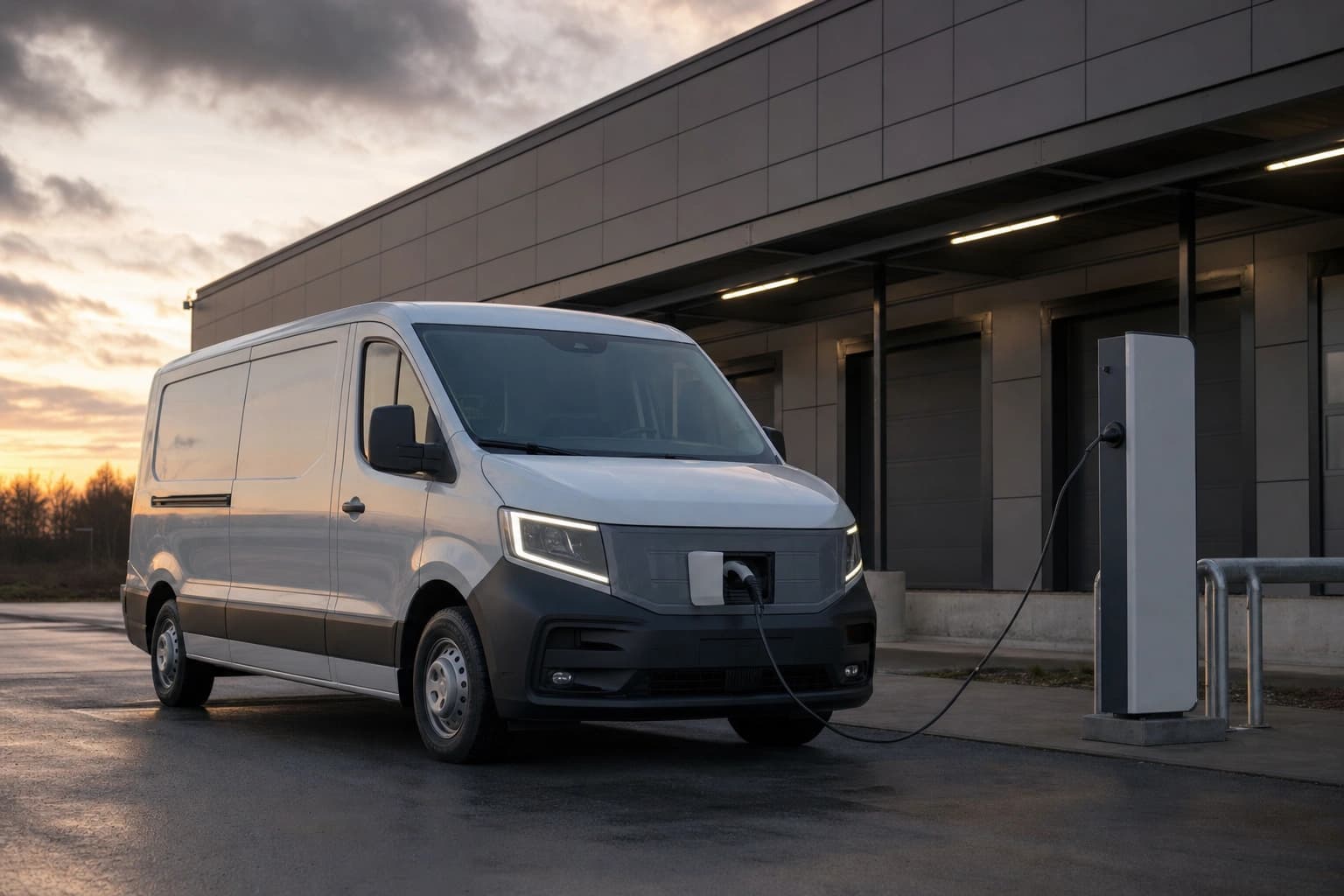
The AC charging points have smart load management. This means the charging points share the available power automatically. Several charging points are wired in a row. You can add more points as demand grows without reinstalling everything. The partners add that automatic testing and safety functions reduce maintenance effort.
Load management made simple
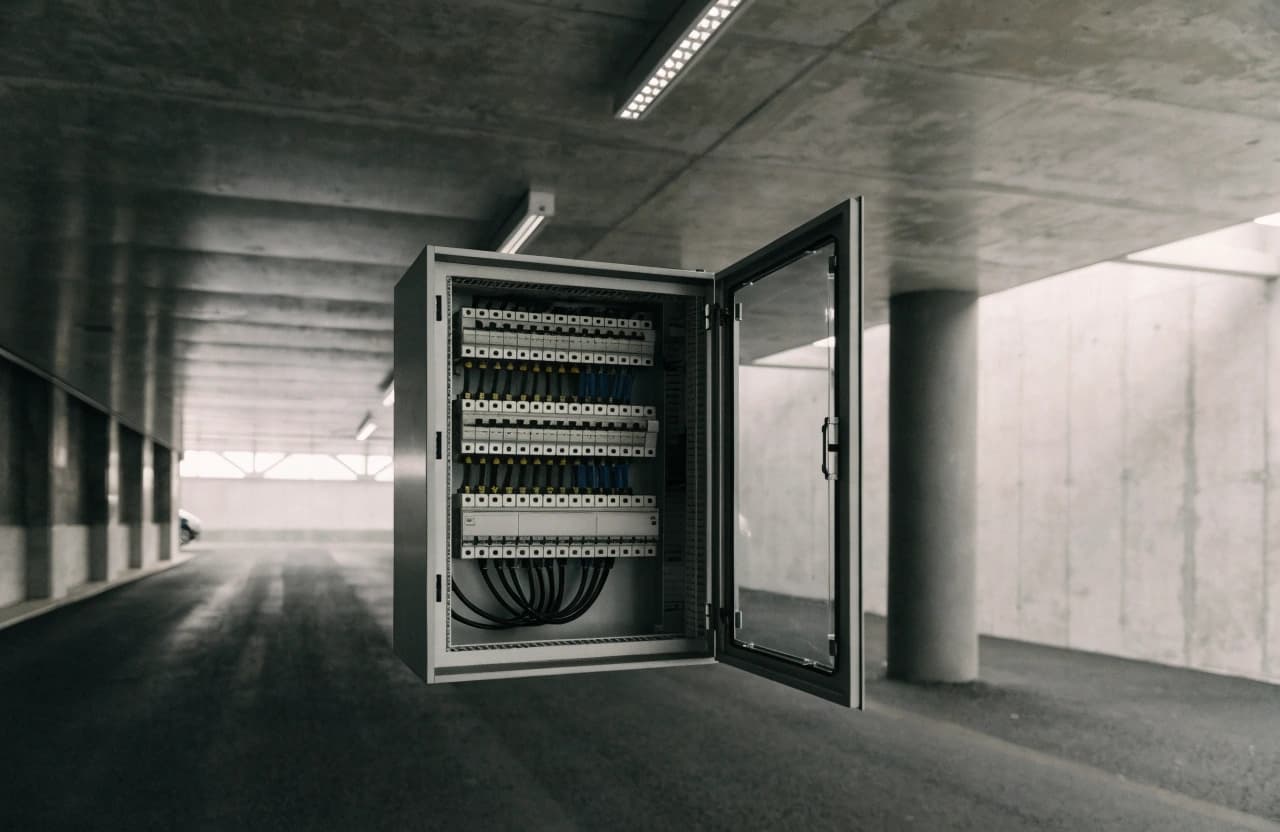
Load management shares the available connection capacity across several charging points. Connection capacity is the maximum power your connection can give. Each car only gets as much as the connection allows. This lets a fleet charge safely, without costly upgrades to the grid connection.
Why is this partnership happening now?
Answer: The new GEIG version puts more pressure on property operators to create more charging points.
The Bundestag and Bundesrat have passed the new GEIG version. The law sets out how many parking spaces must have charging points. Stricter rules will apply to many residential and non-residential buildings. According to electrive.net, demand should keep rising. Operators want solutions that fit existing buildings and grow with them.
What does this mean for operators?
Answer: They get planning, hardware and billing bundled together, and can start small.
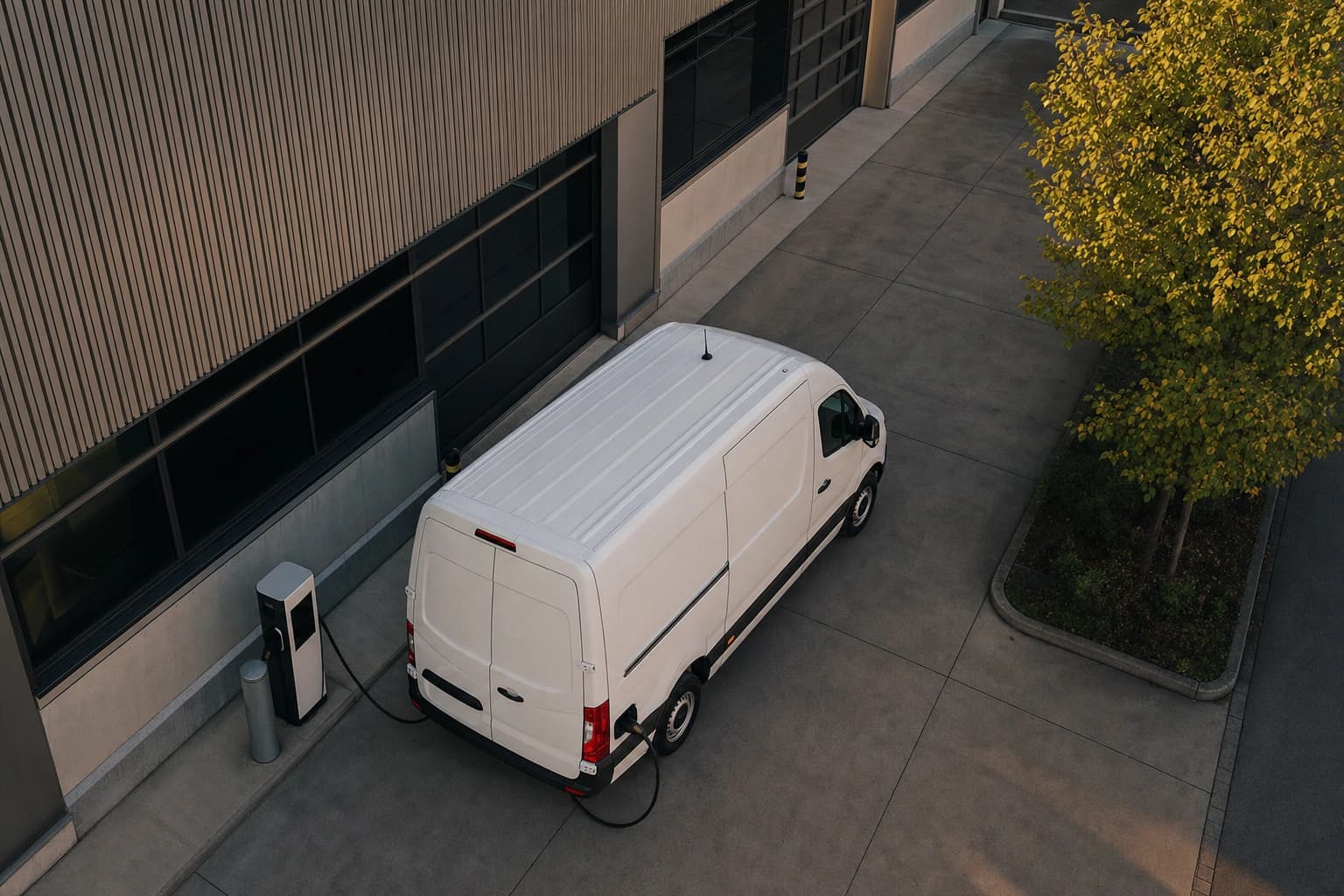
Property operators no longer need to combine hardware, software, energy management and billing themselves. The modular design lets them start with just a few charging points. As demand grows, the system simply expands. This fits the new GEIG landscape. More buildings must provide charging points in future.
Frequently asked questions
- What is the GEIG amendment?
- The Building Electromobility Infrastructure Act (GEIG) says how many parking spaces need charging points. The new version tightens these rules for many residential and non-residential buildings.
- What does load management mean?
- Load management shares the available connection capacity (maximum power) across several charging points. It protects the grid connection from overload. This lets more electric cars charge at the same time without making the connection larger.
- What is Power Rail technology?
- Power Rail is a technology from Compleo. It lets you wire charging points in a row. You can easily add more charging points to an existing system.
- Who benefits from the partnership?
- Mainly operators of office and commercial buildings with car parks or parking spaces. They get planning, charging stations and billing bundled from a single source.