
Key takeaways
- EEBus Initiative and ZVEH have presented the 'EEBUS Tradesperson Tool'.
- It proves the controllability of wallboxes, PV systems, batteries and heat pumps under §14a EnWG and §9 EEG.
- The controllability requirement applies from 4.2 kilowatts.
- A beta version is currently running. The final version appears in Q4 2026.
- For members of a ZVEH guild, the tool is free.
What is the EEBUS Tradesperson Tool?
EEBus Initiative and the German Central Association of Electrical and Information Technology Trades (ZVEH) have developed the 'EEBUS Tradesperson Tool'. According to both associations, the tool helps specialist companies commission controllable consumers in the home. These include wallboxes, PV systems, home batteries and heat pumps.
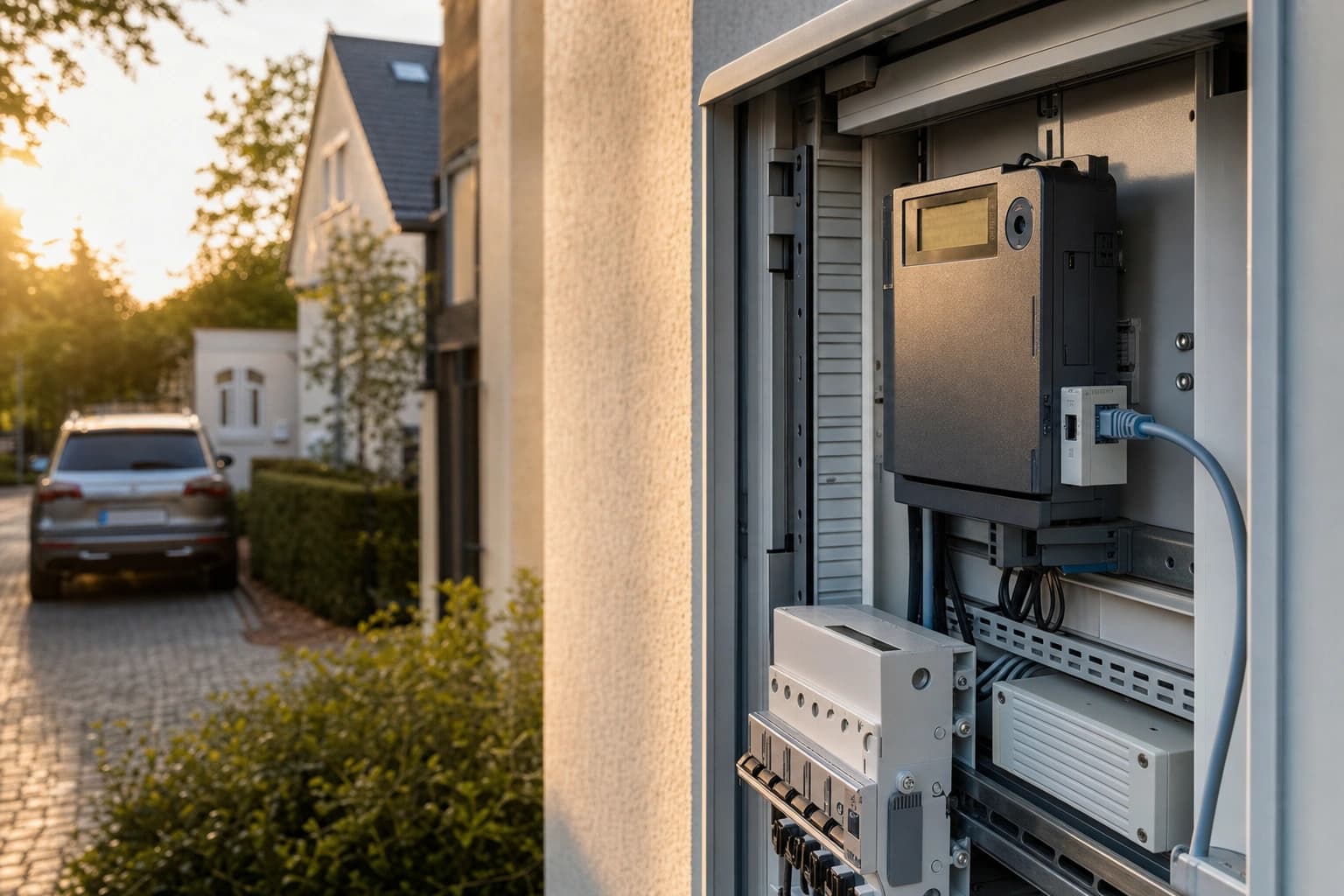
The tool simulates a control box or a CLS adapter in the meter cupboard. CLS stands for 'Controllable Local System'. This lets you check the digital connection, even if these devices are not yet installed.
What requirement applies under §14a EnWG?
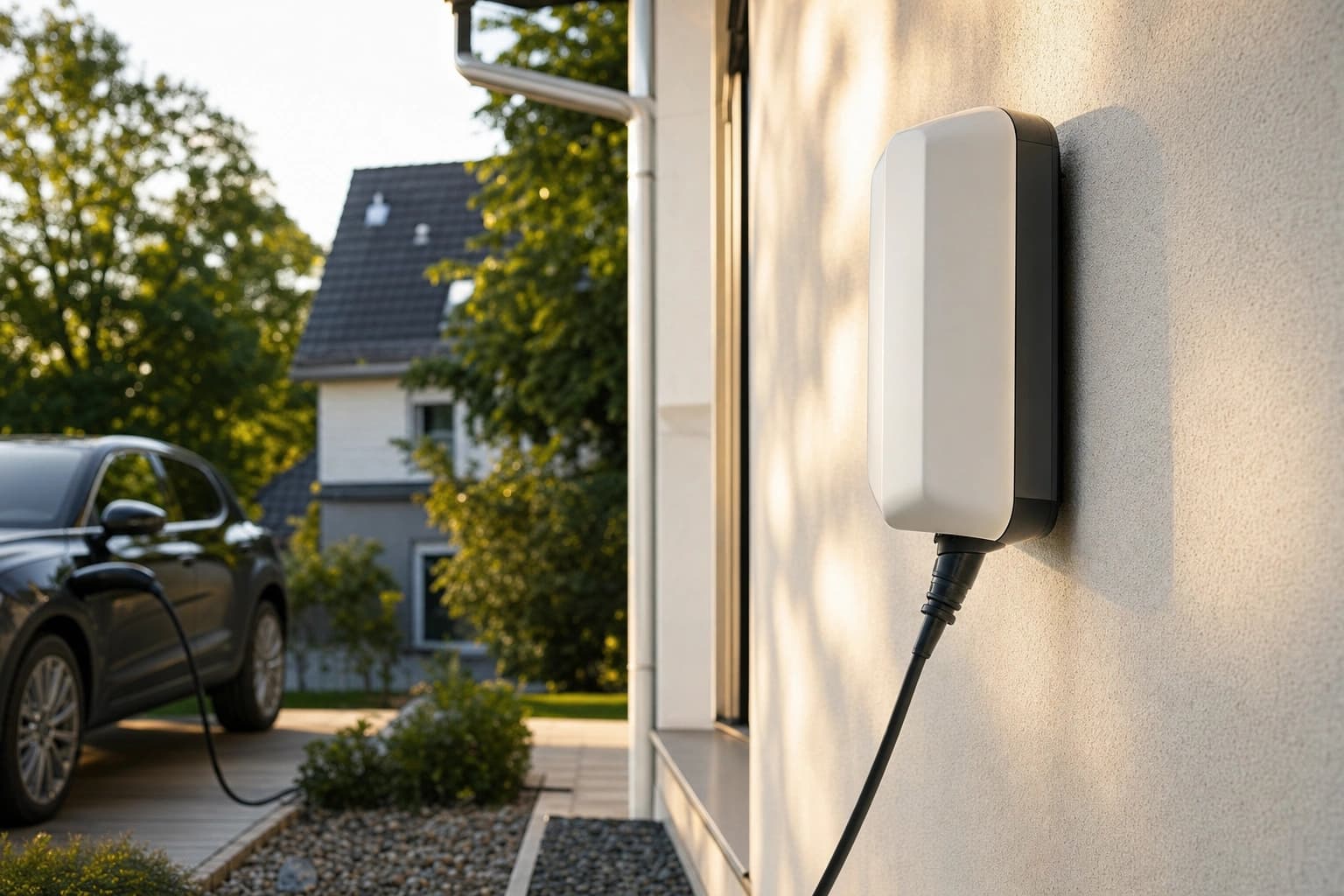
Under §14a of the Energy Industry Act (EnWG) and §9 of the Renewable Energy Sources Act (EEG), certain consumers must be controllable from 4.2 kilowatts. These include PV systems, batteries, heat pumps, air conditioning units and wallboxes. The grid operator may briefly dim the power.
Good to know
Controllability protects the power grid under high load. The grid operator can briefly reduce the wallbox charging power.
At the time of installation, the smart meter gateway or control box is often still missing. Specialist companies must then prove in another way that the system is communicatively reachable. This is exactly where the new tool comes in.
How does the tool prove controllability?
The tool connects directly to the controllable device via the RJ45 port in the system-side connection room (AAR) of the meter cupboard. It checks whether the digital communication link is established.
The tool uses the EEBUS use cases LPC (Limitation of Power Consumption) and LPP (Limitation of Power Production). It sets power limits and monitors the device's behaviour. Via MPC (Monitoring of Power Consumption), it shows the current consumption values directly in the tool. The stability of the connection is also continuously monitored.
What comes out at the end
- An automatic report as a PDF.
- Proof of the successful initial test.
- A template for the distribution grid or metering point operator.
- Legal protection for the specialist company.
What do specialist companies need to use it?
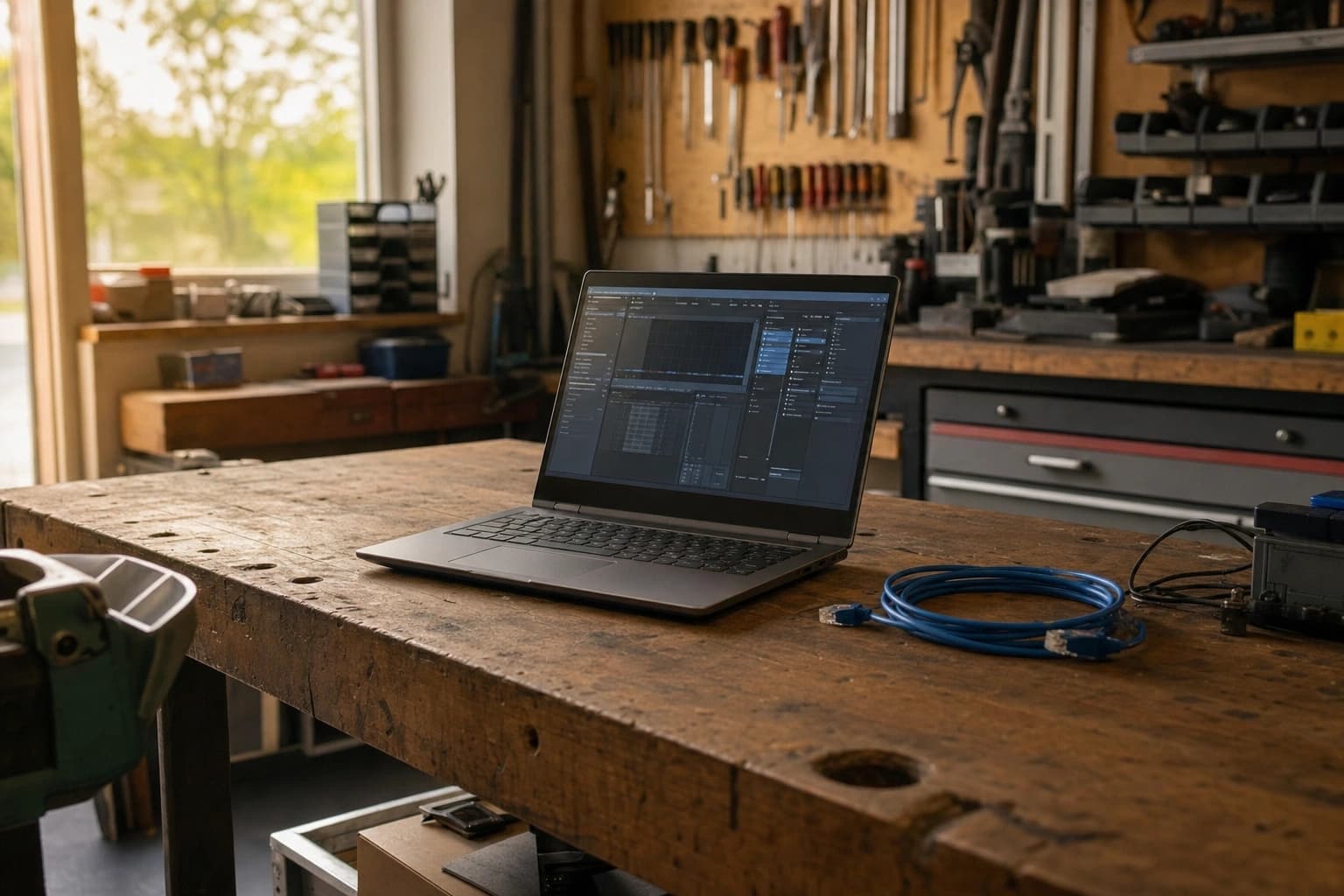
- A laptop with Windows 11.
- An RJ45 port (network socket).
- Optionally a camera for scanning QR codes.
- Access to the system's meter cupboard.
The initiators also recommend a camera. This lets you quickly identify devices via QR code, according to the announcement from EEBus and ZVEH.
Status and costs
Currently only a beta version is available. A final version with extended functionality is planned for Q4 2026 according to the associations.
For members of a ZVEH guild, the tool is completely free. A spokesperson for the EEBus Initiative confirmed this when asked by pv magazine.
Why is this proof so important?
The PDF report fulfils the documentation obligation towards the grid operator. It also provides protection for specialist companies if customers later make changes to the system.
The tool practically implements the VDE-FNN note 'Commissioning process for the connection between control devices and controllable devices'. VDE-FNN is the network technology expert panel of the VDE (Association for Electrical, Electronic and Information Technologies).
Frequently asked questions
- What does §14a EnWG mean for my wallbox?
- Wallboxes from 4.2 kilowatts must be controllable. The grid operator may briefly dim the charging power. This serves grid stability.
- Who needs the new EEBUS Tradesperson Tool?
- The tool is aimed at electrical businesses and installers. They must prove the controllability of wallboxes, PV systems, batteries and heat pumps.
- What does the tool cost?
- It is free for members of a ZVEH guild. EEBus has not yet provided any price information for other specialist companies.
- When does the final version appear?
- A beta version is currently running. The final version with extended functionality appears in Q4 2026.