Key takeaways
- The Bundestag and Bundesrat approved the amendment to the Building Electromobility Infrastructure Act (GEIG) on 11 July 2026. The Bundestag voted with 323 in favour.
- A charging obligation will apply to major renovations in future. This affects residential buildings with more than three parking spaces. It also affects non-residential buildings with more than five.
- For existing non-residential buildings with more than 20 parking spaces from 1 January 2027: one charging point per ten parking spaces. Or 50 per cent cable infrastructure.
- For new non-residential buildings with more than five parking spaces: 50 per cent pre-cabling. Plus at least one charging point per five parking spaces.
- Entry into force: The new rules apply as soon as the law is published in the Federal Law Gazette.
What did the legislature decide on 11 July 2026?
The Bundestag and Bundesrat approved the GEIG amendment on Friday, 11 July 2026. This is reported by electrive.net. The Bundestag voted 323 in favour. The Bundesrat followed the same day. A double vote on one day is rare, but possible before the summer break.
The amendment brings the GEIG into line with the revised EU Buildings Directive (EPBD, Energy Performance of Buildings Directive). Many rules from 2021 were outdated. Above all, the rules for residential and commercial buildings are now stricter.
Which obligations will apply to new residential buildings in future?
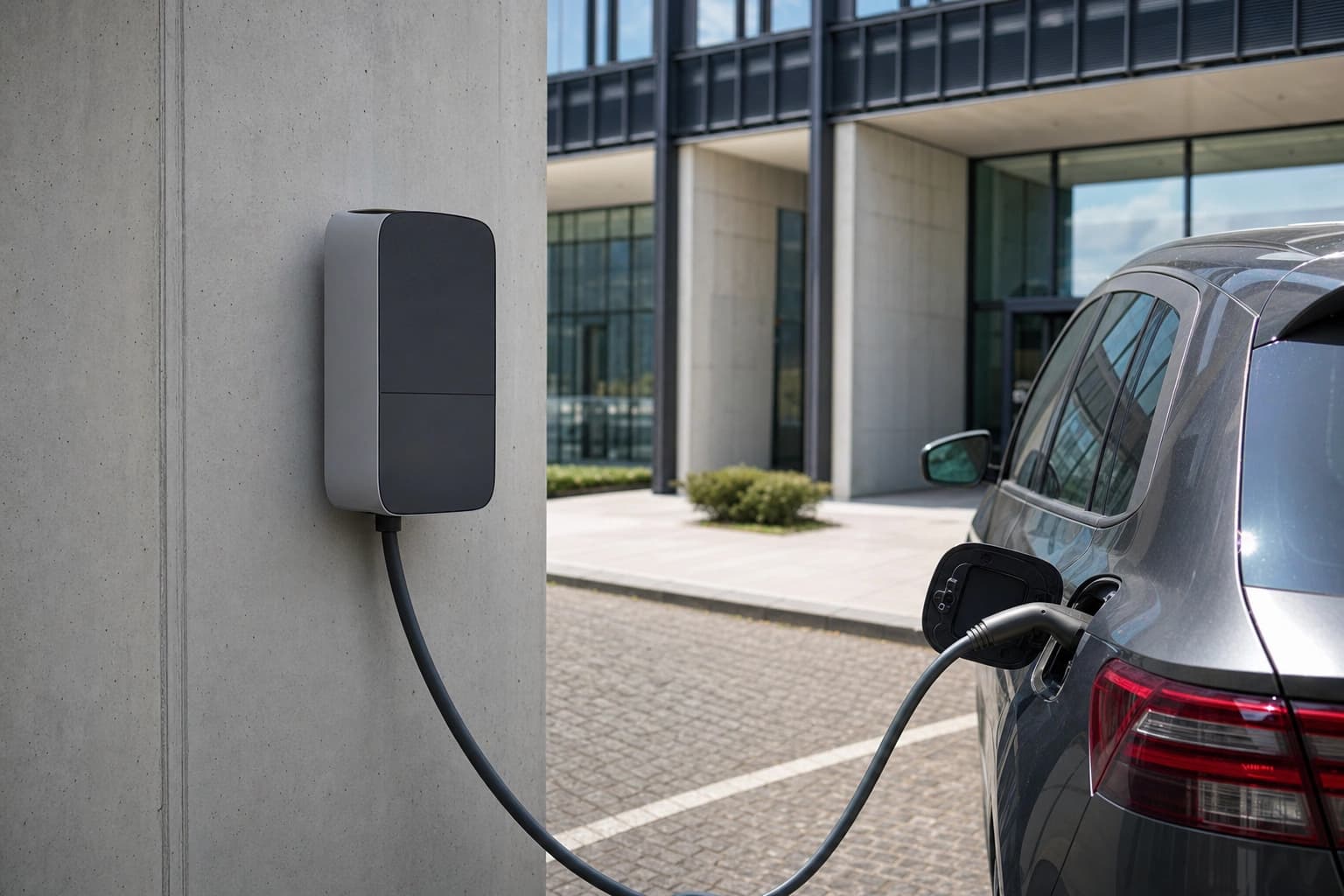
For newly built residential buildings with more than three parking spaces, the following applies in future: at least 50 per cent of parking spaces must be pre-cabled. The remaining parking spaces receive cable infrastructure. At least one charging point must also be installed. This is what electrive.net reports from the amendment.
What changes for new non-residential buildings?
Things become much stricter for companies. For newly built non-residential buildings with more than five parking spaces: half of the parking spaces must be pre-cabled. The remaining spaces receive cable infrastructure. In addition, there must be at least one charging point per five parking spaces.
The rules are even stricter for buildings mainly used for administrative, communication and organisational tasks. If the parking spaces are publicly accessible, owners can also meet the requirements through publicly accessible charging points. However, the total output must then be at least 2.2 kilowatts per parking space.
Which rules apply to existing non-residential buildings?
Owners of existing non-residential buildings with more than 20 parking spaces face a retrofit obligation from 1 January 2027. They must either install one charging point per ten parking spaces. Or they must equip at least 50 per cent of parking spaces with cable infrastructure.
If the parking spaces are publicly accessible, there is a third option. Owners can install publicly accessible charging points. Their total output must then reach at least 1.1 kilowatts per parking space, according to electrive.net.
What applies for renovations?
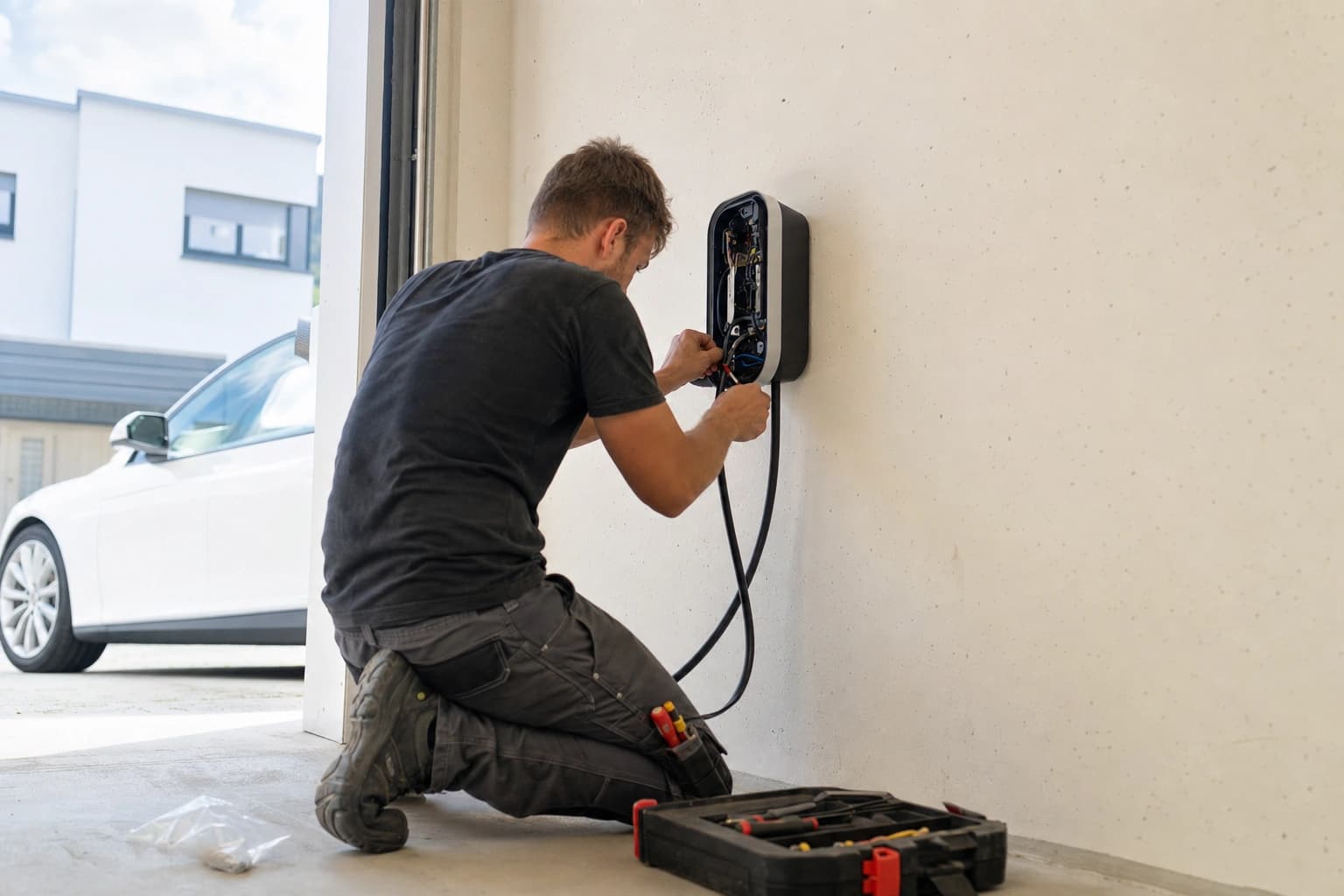
The amendment introduces the charging infrastructure obligation for major renovations. This affects residential buildings with more than three parking spaces. It also affects non-residential buildings with more than five. Requirement: the car park or electrical infrastructure must be renewed as part of the refurbishment.
When does the amendment enter into force?
The new rules enter into force as soon as the new Building Energy Act including the GEIG is published in the Federal Law Gazette. electrive.net does not give a fixed date for this. However, the deadline of 1 January 2027 already applies for existing non-residential buildings with more than 20 parking spaces.
What should companies do now?
Owners of affected buildings should check their parking spaces and electrical infrastructure. This allows the need for pre-cabling and charging points to be determined. The available connected load at the grid connection should also be checked early. Planners should consider load management and calibration-law-compliant billing from the start.
Note from electrive LIVE
Lawyer Dr Katharina Boesche assesses several points positively in electrive LIVE. The amendment picks up ideas from the 2030 Charging Infrastructure Master Plan. Operators could therefore install fewer but more powerful charging points instead of many AC ones.
Frequently asked questions
- When does the new GEIG enter into force?
- The law enters into force as soon as it is published in the Federal Law Gazette. The exact date was not yet known at the editorial deadline.
- From when does the retrofit obligation apply to existing non-residential buildings?
- The obligation applies from 1 January 2027. It affects non-residential buildings with more than 20 parking spaces.
- What counts as a 'major renovation'?
- A renovation counts as major if the car park or electrical infrastructure is renewed as part of the refurbishment. The charging infrastructure obligation then applies.
- Can publicly accessible charging points meet the obligation?
- Yes. For existing buildings, publicly accessible charging points with 1.1 kW per parking space are sufficient. For new buildings, it is 2.2 kW per parking space.